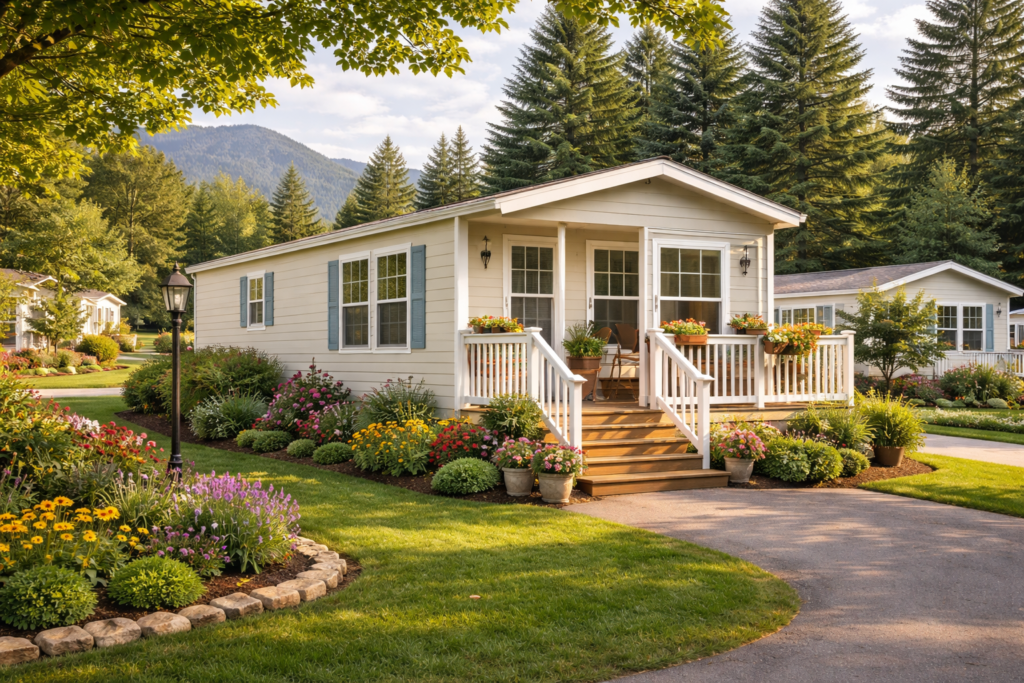
Mobile and manufactured homes provide an important path to affordable homeownership across Colorado. From communities along the Front Range to rural properties throughout the state, thousands of residents rely on manufactured housing as a comfortable and practical place to live.
However, when it comes to insurance, mobile and manufactured homes are not insured the same way as traditional houses. The type of home, how it was built, how it is installed, and even the terminology used to describe it can affect what insurance companies are willing to offer.
Many homeowners are surprised to learn that choosing the wrong insurance carrier or the wrong type of policy can sometimes lead to non-renewals, limited coverage, or higher long-term costs.
Understanding how mobile home insurance works—and why working with the right carrier and a knowledgeable local agent matters—can help homeowners protect their property and avoid unexpected issues down the road.
Mobile Homes vs. Manufactured Homes vs. Modular Homes: Why the Difference Matters
One of the biggest sources of confusion in insurance is the difference between mobile homes, manufactured homes, and modular homes. While these terms are often used interchangeably in everyday conversation, insurance companies treat them very differently.
Mobile Homes
A mobile home generally refers to a factory-built home constructed before June 15, 1976. These homes were built before modern federal construction standards were implemented. Because of their age and construction methods, mobile homes can sometimes be more difficult to insure and may require specialty insurance carriers.
Manufactured Homes
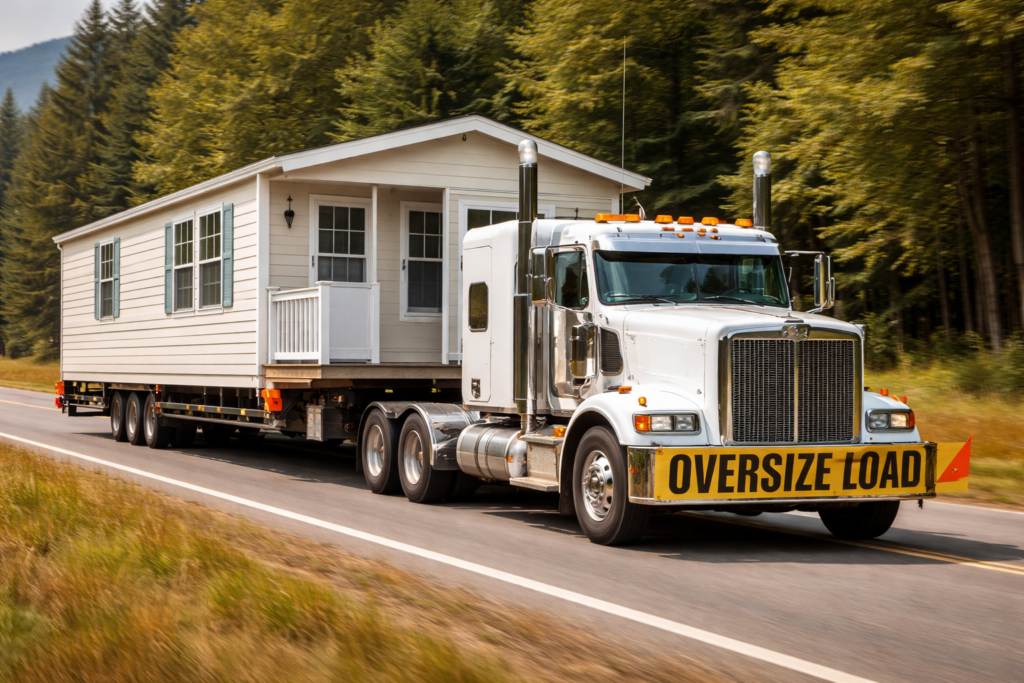
A manufactured home is also factory-built but constructed after June 15, 1976, when federal building regulations were introduced through the HUD Manufactured Home Construction and Safety Standards. These homes are built in sections in a factory and transported to their final location. Manufactured homes are still considered a specialty risk by many insurance companies, which means they often require insurance through carriers that specialize in this type of housing.
Modular Homes
A modular home is also built in a factory, but there is a key difference: modular homes are constructed to the same local building codes as traditional site-built houses. They are transported in sections and assembled on a permanent foundation, often with a basement or crawlspace. Because modular homes meet local building standards similar to traditional houses, many insurance companies will insure them just like a standard home under a traditional homeowners insurance policy.
Why Mobile and Manufactured Homes Require Specialized Insurance
Mobile and manufactured homes present unique risks that many standard insurance companies are not structured to handle. Specialized carriers that focus on manufactured housing understand these risks and build policies specifically for them.
Some of the factors that make these homes different include:
- Transportation and Installation: Manufactured homes are transported from a factory to their final location. This introduces structural considerations that traditional homes do not experience.
- Foundation Types: Some manufactured homes sit on permanent foundations, while others rest on piers, blocks, or other support systems. The foundation type can affect how a home withstands wind, snow loads, and shifting ground.
- Roof and Structural Design: Manufactured homes often have roof systems and structural layouts that differ from traditional homes, which can influence how damage occurs during severe weather.
- Age of the Home: Insurance companies often have specific underwriting guidelines regarding the age of manufactured homes. Older homes may have fewer available insurance options.
Because of these differences, many homeowners benefit from working with insurance companies that specialize in manufactured housing coverage.
Colorado Weather Risks for Manufactured Homes
Homes in Colorado face unique environmental risks that make proper insurance coverage particularly important.
- Hailstorms: Colorado is known for some of the most severe hailstorms in the country. Roof damage—especially to manufactured homes—is one of the most common insurance claims statewide.
- High Winds: Strong winds along the Front Range and eastern plains can place additional stress on roofing systems, siding, and structures.
- Heavy Snowfall: Snow accumulation can add significant weight to roofs, especially if snow buildup occurs rapidly during winter storms.
- Wildfire Exposure: Certain regions of Colorado face increased wildfire risk, which insurance companies carefully evaluate when determining coverage eligibility.
A policy designed specifically for manufactured homes helps ensure these risks are properly addressed.
Why Choosing the Right Insurance Carrier Is So Important
Not all insurance companies approach manufactured homes the same way. Some carriers specialize in these homes and insure them consistently year after year. Others may occasionally write manufactured homes but do not focus on them long term.
This difference can lead to situations where a homeowner is non-renewed after a short period of time because the carrier changes its underwriting guidelines. Common reasons for non-renewal include:
- Changes in underwriting guidelines
- Roof age or condition
- Claims history
- Location risk factors
- Age of the home
When a policy is non-renewed, homeowners often have limited time to secure replacement coverage, and finding new insurance can sometimes be more challenging. Starting with the right insurance carrier in the first place can reduce this risk significantly.
Key Coverages Every Mobile Home Insurance Policy Should Include
While coverage details vary by company, there are several important protections homeowners should review carefully.
Dwelling Coverage
This protects the physical structure of the home itself.
One area that can be confusing for manufactured homeowners is how the value of the home is determined for insurance purposes. Unlike traditional site-built homes, which often appreciate over time, mobile and manufactured homes typically depreciate in value, similar to vehicles.
However, insurance coverage is not based strictly on market value or resale value. Instead, the dwelling limit should reflect the estimated cost to repair or replace the home after a covered loss, including materials, labor, transportation of sections, and installation.
Because construction, materials, and labor costs have increased significantly in recent years, it’s important to make sure the dwelling coverage is appropriately calculated for replacement or repair costs, even though the home itself may depreciate in market value over time. A knowledgeable insurance agent can help ensure the dwelling limit is set appropriately so homeowners are not underinsured if a major loss occurs.
Personal Property Coverage
This protects belongings inside the home such as furniture, clothing, and electronics. Many policies calculate personal property coverage as a percentage of the dwelling coverage.
Liability Protection
Liability coverage protects homeowners if someone is injured on their property and they are found legally responsible. This coverage can help pay for medical expenses, legal defense costs, and potential settlements.
Additional Living Expenses
If a covered loss temporarily makes the home uninhabitable, this coverage helps pay for temporary housing, meals, and related expenses.
Coverage for Other Structures
Manufactured homes often have detached structures such as sheds, carports, or small garages. These items should be properly covered under the policy.
Why Working With a Local Colorado Insurance Agent Matters
Insurance guidelines change frequently, particularly in the manufactured housing market.
Working with a local Colorado insurance professional can help homeowners navigate these changes and maintain stable coverage. Benefits of working with a local agent include:
- Access to Multiple Insurance Companies: Independent agents can compare multiple carriers that specialize in manufactured homes, helping homeowners find the right match for their situation.
- Understanding Colorado Risks: A local agent understands the weather patterns, wildfire exposures, and regional risks that affect homeowners in Colorado.
- Help With Policy Reviews: Insurance needs can change over time. An annual policy review helps ensure coverage limits remain appropriate and pricing stays competitive.
- Guidance During Claims: If a claim occurs, having a knowledgeable local professional available to assist can make the process easier and less stressful.
Why Remarketing Your Mobile Home Insurance Each Year Can Be Smart
Insurance companies adjust their pricing and underwriting guidelines regularly. The company that offered the best policy one year may not necessarily remain the most competitive the next year.
Remarketing a policy annually allows homeowners to:
- Compare multiple insurance carriers
- Adjust coverage limits if home values change
- Identify new programs available for manufactured homes
- Avoid unexpected renewal increases
This process can help homeowners stay with a carrier that continues to actively support manufactured housing insurance.
Protecting Your Manufactured Home for the Long Term
Mobile and manufactured homes are an important part of Colorado’s housing landscape, providing affordable housing options for many families.
Because these homes have unique characteristics, they require insurance coverage designed specifically for their construction, risks, and long-term maintenance.
Choosing the right insurance carrier, maintaining adequate coverage limits, and reviewing policies regularly can help homeowners avoid coverage gaps and protect their investment.
Ready to Review Your Mobile Home Insurance?
If you own a mobile or manufactured home in Colorado and are unsure whether your current policy provides the right protection, a quick review can identify opportunities to improve coverage or reduce risk.
An experienced Colorado insurance professional can help you:
- Review your current policy
- Compare multiple insurance carriers
- Ensure your home is insured with the right type of coverage
- Help prevent future non-renewal surprises
Whether you’re purchasing a manufactured home, renewing an existing policy, or simply want a second opinion, getting guidance from someone familiar with Colorado’s insurance market can make the process much easier.
Protect your home with the right policy, the right carrier, and the right guidance. Contact us today for a free review of your mobile or manufactured home insurance coverage.

 The Best Insurance for Electrical Contractors
Leave a Reply