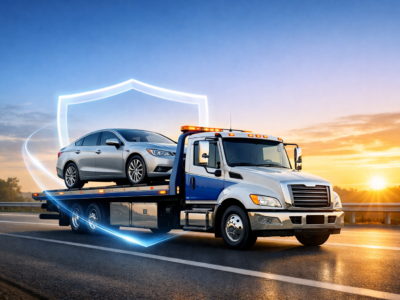
Running a towing company means operating in high‑risk conditions every single day. From highway recoveries to roadside assistance calls and vehicle storage, your business faces unique exposures that require specialized insurance coverage. The right towing company insurance isn’t just helpful — it’s essential for protecting your trucks, your customers, and your business’s financial stability. Many municipalities have specific requirements for towing companies but this is beyond the scope of this post. Click here for Colorado’s requirements.
Below, we break down the most important insurance coverages for towing companies and explain the pros and cons of different Garagekeepers and On‑Hook coverage forms so you can make the best decision for your operation.
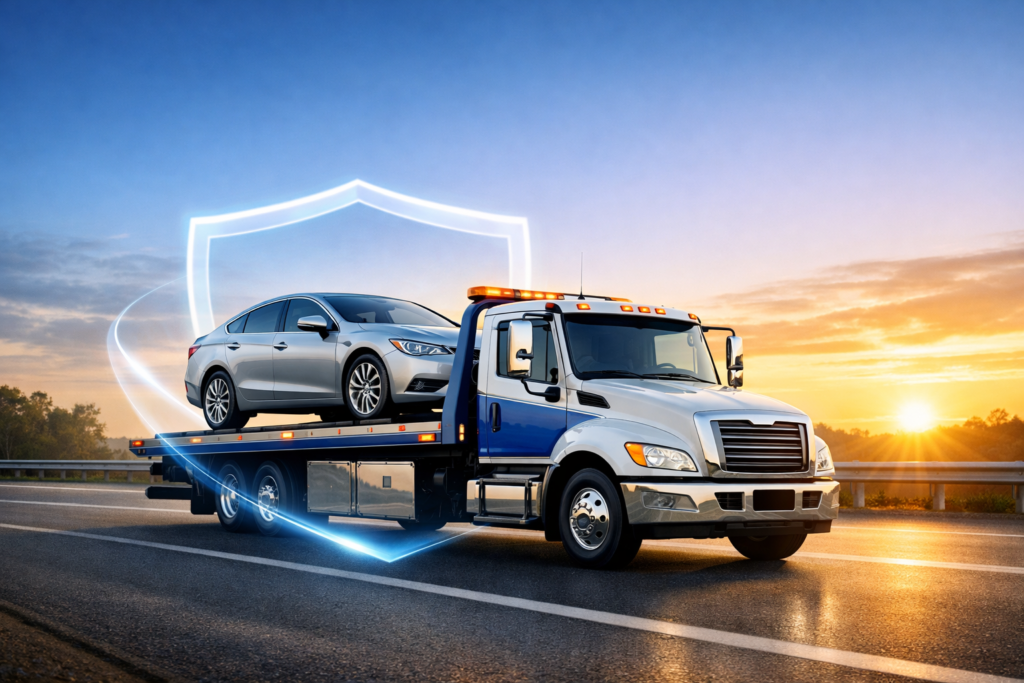
Commercial Auto Insurance: The Foundation of Tow Truck Protection
Every towing business needs Commercial Auto Insurance — it is the backbone of any towing‑specific insurance package.
What It Covers
Commercial Auto typically includes:
- Liability for bodily injury and property damage
- Physical damage coverage for tow trucks (collision and comprehensive)
- Medical payments
- Uninsured/underinsured motorist protection
- Coverage for accidents caused while operating or recovering vehicles
Why It Matters
Tow trucks are expensive, often costing $150,000–$300,000 to replace. They routinely operate in dangerous environments, including accident scenes, inclement weather, and congested highways. Without strong Commercial Auto coverage, one accident could shut down your operation.
General Liability: Coverage for Everyday Business Risks
Commercial Auto protects you on the road, but General Liability Insurance (GL) protects your business from everyday risks that don’t involve vehicle operation.
What General Liability Covers
- Slip‑and‑fall accidents at your office or storage yard
- Damage to a third party’s property (not involving a vehicle)
- Personal and advertising injury claims
- Legal defense costs
Why Tow Companies Need GL
Customer visits, subcontractor interactions, and business operations introduce liability risks that GL is designed to handle. Even small accidents can lead to costly claims without proper protection.
Garagekeepers Liability: Protecting Vehicles in Your Possession
If your towing business ever stores or temporarily possesses customer vehicles, Garagekeepers Liability Insurance is a crucial part of your towing company insurance plan.
What It Covers
Garagekeepers protects customer vehicles from:
- Fire
- Theft
- Vandalism
- Weather events
- Employee‑caused damage
- Collisions occurring on your lot
Who Needs This Coverage
- Tow yards
- Impound lots
- Police rotation towing services
- Roadside towing operations
- Any business temporarily storing vehicles
Roadside General Liability: Protection for Roadside Assistance Services
For tow companies that perform roadside assistance, Roadside General Liability is essential because it covers damage caused while performing service, not while towing.
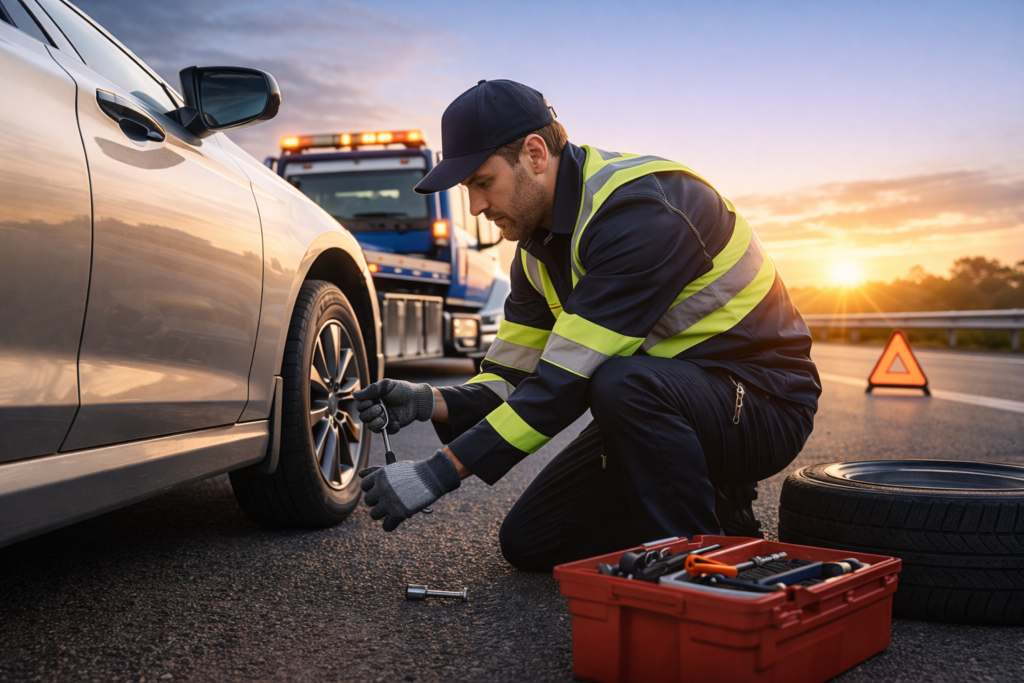
Examples of Covered Risks
- Scratches during lockout services
- Damage to rims during tire changes
- Harm to electrical systems from jump starts
- Minor property damage during roadside repairs
This coverage ensures that small mistakes don’t become expensive claims.
On‑Hook Coverage: Protecting Vehicles While Being Towed
While Garagekeepers covers vehicles in your custody on your property, On‑Hook Insurance covers vehicles that are actively being towed.
What On‑Hook Coverage Includes
- Collisions while towing
- Rollovers
- Fire
- Theft
- Damage from improper hooking procedures
Without On‑Hook coverage, you may be personally responsible for damage to customer vehicles while in transit.
Legal Liability vs. Direct Primary: Understanding Your Coverage Options
Garagekeepers and On‑Hook policies come in two coverage forms:
- Legal Liability Coverage
- Direct Primary Coverage
Each has benefits and drawbacks, and the best choice depends on your towing business’s operations and risk tolerance.
Garagekeepers Legal Liability: Coverage Only When You’re at Fault
Pros
- Lower premiums
- Covers damage only when the business is legally responsible
- Suitable for budget‑conscious operations
Cons
- No coverage for weather, vandalism, or theft unless you’re negligent
- Fault disputes can delay customer satisfaction
- More risk of out‑of‑pocket costs
Garagekeepers Direct Primary: Broadest Protection for Your Tow Yard
Pros
- Covers customer vehicles whether you’re at fault or not
- Includes weather, vandalism, and theft
- Improves customer relationships and reduces disputes
Cons
- Higher premiums
- More claims may impact rates over time
On‑Hook Legal Liability: Covers Only Negligent Damage
Pros
- Lower cost
- Works well for highly trained operators
Cons
- No coverage for weather, road debris, or unpredictable third‑party accidents
- Fault can be difficult to determine
- More financial exposure
On‑Hook Direct Primary: Maximum Protection on the Road
Pros
- Covers customer vehicles regardless of fault
- Protects against non‑negligence events
- Reduces customer conflict and speeds claim resolution
Cons
- More expensive
- Higher likelihood of claims
Choosing the Best Insurance for Your Towing Business
The best towing company insurance program typically includes:
- Commercial Auto
- General Liability
- Garagekeepers Liability
- On‑Hook Coverage
- Roadside General Liability
- Optional add-ons like Workers’ Comp, Property Coverage, and Umbrella Liability
Your business is unique — its risks, fleet size, customer base, and location all affect which coverage types (and coverage forms) are best.
Final Thoughts
Towing is a demanding industry, and without the right insurance, one incident can threaten your business’s entire future. A well‑designed towing company insurance program protects your fleet, your customers, your employees, and your financial stability.
If you want to ask specific questions or get a quote for your towing business click here to get started.

Leave a Reply